Real Estate
The Step-by-Step Homebuying Process Explained
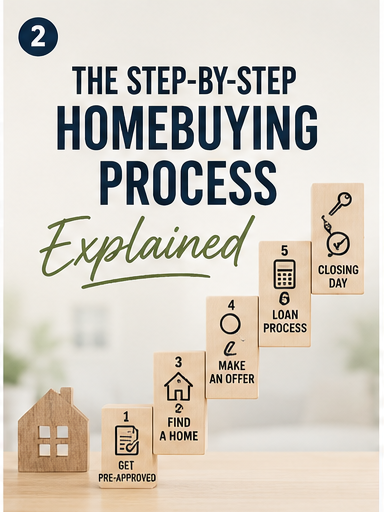
Buying a home for the first time can feel confusing if you don’t know what to expect. Understanding the process ahead of time can make everything feel far less stressful and help you make more confident decisions. Here’s a simple breakdown of the homebuying process from start to finish.
Step 1: Determine Your Budget
Before looking at homes, it’s important to understand what you can realistically afford. Your monthly mortgage payment may include: • Principal and interest • Property taxes • Homeowners insurance • HOA fees (if applicable) A lender can help estimate your buying power based on your income, debt, credit score, and down payment.
Step 2: Get Pre-Approved for a Mortgage
Mortgage pre-approval is one of the most important steps in the process. A lender reviews your financial information and provides a pre-approval letter showing how much they may be willing to lend you. This helps: • Strengthen your offers • Narrow your home search • Show sellers you are serious
Step 3: Start Searching for Homes
Once pre-approved, you can begin touring homes that fit your budget and goals. During this stage, buyers often compare: • Location • School districts • Commute times • Home size and layout • Property condition Working with a knowledgeable real estate agent can help you identify good opportunities and avoid costly mistakes.
Step 4: Make an Offer
When you find the right home, your agent will help you submit an offer. The offer typically includes: • Purchase price • Earnest money deposit • Financing terms • Inspection contingencies • Closing timeline The seller can accept, reject, or counter your offer.
Step 5: Schedule the Home Inspection
Once under contract, the home inspection takes place. A licensed inspector evaluates the home’s condition, including: • Roof • HVAC system • Plumbing • Electrical systems • Foundation This step helps identify potential issues before closing.
Step 6: Finalize Your Loan
During underwriting, your lender verifies financial documents and orders an appraisal to confirm the home’s value. You may be asked for: • Pay stubs • Bank statements • Tax returns • Employment verification Avoid making large purchases or opening new credit accounts during this stage.
Step 7: Closing Day
At closing, you’ll sign the final paperwork and officially become a homeowner. Closing costs may include: • Loan fees • Attorney fees • Taxes • Insurance • Title fees Once everything is complete, you receive the keys to your new home.
Final Thoughts
The homebuying process may seem intimidating at first, but breaking it down step by step makes it much easier to understand. With the right guidance and preparation, buying your first home can be an exciting and rewarding experience. Deshona Charles Realtor and Founder of Realty Source ATL