Real Estate
What a Home Inspection Really Means — and What It Doesn’t
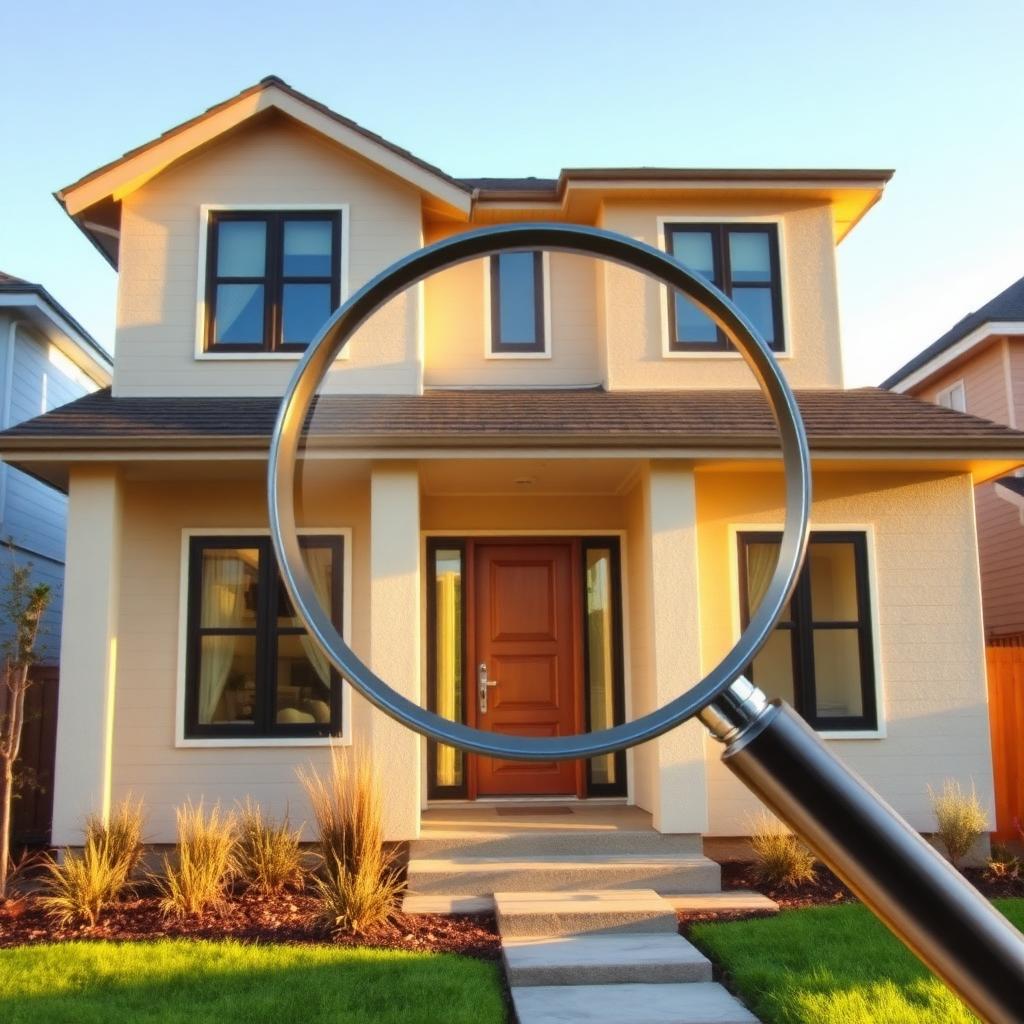
Buying a home is emotional. You walk through the front door, picture your furniture in the living room, imagine family dinners in the kitchen, and start thinking about what life could look like there. But once you go under contract, excitement needs to be balanced with information. That is where the home inspection comes in. A home inspection is one of the most valuable tools a buyer has, but it is also one of the most misunderstood parts of the homebuying process. Some buyers expect the inspection to "pass or fail" the house. Others think the inspector will find every possible issue. Neither is true. Here is what a home inspection really means — and what it does not.
What Is a Home Inspection?
A home inspection is a visual evaluation of the home's accessible systems and components. The American Society of Home Inspectors describes a home inspection as focused on readily accessible, visually observable, installed systems and components. It is intended to give the buyer information about the condition of the property at the time of the inspection. In simple terms, the inspector is helping you understand the current condition of the home based on what can be safely seen and tested. This usually includes areas like the roof, attic, foundation, electrical system, plumbing system, HVAC, appliances, windows, doors, exterior, interior, crawlspace, basement, and drainage. The inspection does not make the home perfect. It gives you a clearer picture of what you are buying.
What a Home Inspection Really Means
1. It Helps You Understand the Home's Condition
A home may look great during a showing, but showings are usually short and emotional. A home inspection gives you a more detailed look at the property. The inspector may point out aging systems, safety concerns, repair needs, water damage, poor drainage, roof wear, electrical issues, plumbing leaks, or structural concerns. This helps you move from emotion to facts. Instead of asking, "Do I love this house?" you can ask, "Do I understand this house, and am I comfortable with what it may need?"
2. It Identifies Visible Problems
A home inspection is designed to identify visible and accessible defects. If there is an active leak under a sink, damaged siding, missing roof shingles, unsafe wiring, or signs of moisture in the attic, the inspector may include those findings in the report. This is especially helpful because many issues are easy to miss during a regular showing. Most buyers are focused on layout, finishes, room sizes, and location. Inspectors are trained to look at condition, function, safety, and potential concerns.
3. It Helps You Plan for Future Repairs
Not every inspection finding is an emergency. Some issues are simply maintenance items or future expenses. For example, an older water heater may still be working, but you may need to budget for replacement soon. An HVAC system may function during the inspection, but its age could affect future repair costs. A roof may not be leaking, but visible wear may suggest it is closer to the end of its useful life. This information helps buyers plan realistically. A home inspection is not just about deciding whether to move forward. It is also about understanding what ownership may cost after closing.
4. It Can Give You Negotiation Power
Depending on the contract and timing, the inspection report may help buyers negotiate repairs, seller credits, a price adjustment, or other concessions. Common negotiation items may include roof concerns, plumbing leaks, electrical safety issues, HVAC repairs, termite damage, water intrusion, or other major defects. That does not mean the seller has to fix everything. It simply gives both sides information to work from. A good inspection report helps buyers make specific requests instead of vague complaints.
5. It Can Help You Decide Whether to Continue
Sometimes the inspection confirms that the home is in the condition the buyer expected. Other times, it reveals problems that change the buyer's level of comfort. The inspection can help a buyer decide whether to move forward, renegotiate, ask for further evaluation, or walk away if the contract allows it. This is why buyers should schedule the inspection quickly during the due diligence period. The value of the inspection depends not only on what it finds, but also on having enough time to respond.
What a Home Inspection Does Not Mean
1. It Is Not a Pass or Fail Test
A home inspection does not "pass" or "fail" a house. Every home has issues, even new construction. The question is not whether the inspector finds problems. The question is how serious those problems are, how much they may cost, and whether you are comfortable taking them on. A long inspection report does not automatically mean the house is bad. Some reports are long because the inspector is thorough. What matters most is the severity of the findings. Focus on major concerns first, such as safety issues, structural problems, water intrusion, roof condition, HVAC, plumbing, electrical, and anything that could become expensive.
2. It Is Not a Guarantee That Nothing Will Go Wrong
A home inspection is not a warranty. It does not guarantee that the roof will never leak, the HVAC will last for years, or the plumbing will never fail. The inspection reflects the condition of the home at the time it was inspected. A system can function during the inspection and still break after closing. This is why buyers should use the report as a risk-management tool, not a promise that the home will be problem-free.
3. It Is Not Technically Exhaustive
Home inspections are not designed to tear apart the home or inspect every hidden component. InterNACHI explains that a home inspection is not technically exhaustive, meaning systems and components are generally not disassembled as part of the inspection. That means the inspector may not see behind walls, under flooring, inside sealed areas, behind heavy furniture, or inside certain mechanical components. If something is hidden, inaccessible, unsafe to reach, or not visible, it may not be fully evaluated during a standard inspection.
4. It Does Not Find Every Hidden Defect
A home inspection is visual and non-invasive. That means it may not reveal hidden mold behind drywall, concealed termite damage, buried plumbing issues, internal sewer line problems, or defects covered by finishes or personal belongings. This does not mean the inspector failed. It means the inspection has limits. If the inspection raises concerns, buyers may need specialized inspections, such as a roof inspection, HVAC evaluation, foundation review, sewer scope, termite inspection, mold assessment, or structural engineer evaluation.
5. It Is Not an Appraisal
A home inspection and an appraisal are completely different. The inspection focuses on condition. The appraisal focuses on value. An inspector is not there to tell you what the home is worth. The appraiser is not there to give you a full inspection report. Both can matter during the buying process, but they serve different purposes.
6. It Is Not a Code Compliance Inspection
A home inspector may point out safety concerns or issues that appear improper, but a standard home inspection is not the same as a municipal code inspection. Older homes may have systems or features that were acceptable when installed but would not meet current building standards. That does not always mean the seller is required to update everything. If code compliance, permits, additions, or renovations are a concern, buyers should ask additional questions during due diligence.
7. It Is Not a Repair List for the Seller to Complete
Many buyers assume that every item in the inspection report should be fixed by the seller. That is not always realistic. Inspection reports often include minor items such as loose fixtures, worn caulk, small cracks, missing doorstops, minor grading issues, or general maintenance recommendations. When negotiating, buyers should usually focus on meaningful concerns rather than every small item. The best repair requests are clear, reasonable, and tied to major systems, safety, or costly defects.
What Buyers Should Focus on Most
After receiving the inspection report, it is easy to feel overwhelmed. Reports can be long, detailed, and full of photos. Instead of panicking, separate the findings into categories: major defects, safety concerns, expensive repairs, active leaks or water issues, structural concerns, aging systems, maintenance items, and cosmetic issues. The most important items are usually the ones that affect safety, structure, function, or future cost. A missing outlet cover is not the same as an overloaded electrical panel. A small drywall crack is not the same as foundation movement. A dirty HVAC filter is not the same as a failing system. Context matters.
Should You Attend the Home Inspection?
When possible, it is helpful for buyers to attend at least the final portion of the inspection. This gives you a chance to ask questions, see concerns in person, and better understand the report. The report is important, but walking through the findings with the inspector can make things much clearer. You can ask questions like: Is this urgent or minor? Should I have a specialist evaluate this? Is this common for a home of this age? What should I budget for in the future? What items would you consider most important? The goal is not to become an expert overnight. The goal is to become an informed buyer.
Final Thoughts
A home inspection is not meant to scare you. It is meant to educate you. It helps you understand the condition of the home, identify visible issues, prepare for future maintenance, and make a more confident decision before closing. But it is not a guarantee, a warranty, a pass-or-fail test, or a promise that nothing will go wrong. The smartest buyers use the inspection as one piece of the bigger picture. They review the report carefully, ask questions, request specialized inspections when needed, and make decisions based on facts instead of fear. Buying a home always comes with some risk. A good home inspection helps you understand that risk before the keys are in your hand.